

Each week, Charlie Nardozzi joins Vermont Public’s Mary Engisch for a conversation about gardening, and to answer your questions about what you're seeing in the natural world.
We'll spend time every episode addressing your gardening problems so you can stay on top of things. We want to hear from you via email, Facebook messages, tweets and phone calls to use on the air.
Each show will begin with Mary and Charlie discussing a hot trend or timely chore. It could be about the weather, a technique, a new plant or a new gadget. Then, we'll talk about your questions.
Send us your toughest conundrums and join the fun. Submit your written question via email, or better yet, leave a voicemail with your question so we can use your voice on the air: the info to contact Vermont Public is here!
Listen to All Things Gardening Sunday mornings at 9:35 a.m., and subscribe to the podcast to listen any time.
-
 Tree and shrub roots need time to get established before the ground freezes.
 -
 Certain foliage and flowering annuals can thrive as indoor potted plants during the winter. Find out which ones and how to bring in cuttings.
 -
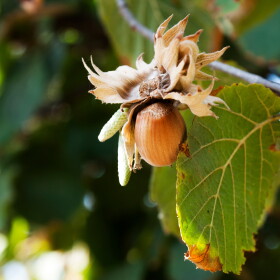 Start growing these small shrubs now, and in a few years, hazelberts will produce nuts for you and nearby wildlife.
 -
 Include perennial flowers like helenium and Russian sage in your gardens. They'll bloom in late summer to extend color throughout the season.
 -
 An odd growth on blueberry bushes, leathery lichen and hungry deer are just a few of the late-summer issues plaguing listeners.
 -
 Many home gardeners think grape-growing is only the milieu of vineyards, but you can plant a small number of grapevines in your yard and have enough delicious fruit to feed your family (and a hungry bird or two).
 -
 Charlie Nardozzi answers garden questions that have been cropping up in late summer.
 -
 Learn how to cut flowers like rudbeckia, delphinium, gladiolus and more and enjoy them inside for days.
 -
 If you spend time and care growing fruits, knowing a few harvesting tips can help ensure the best-tasting results.
 -
 Sometimes, plants grown in containers on back decks and porches outperform expectations. We'll meet one named "Big Beef."


